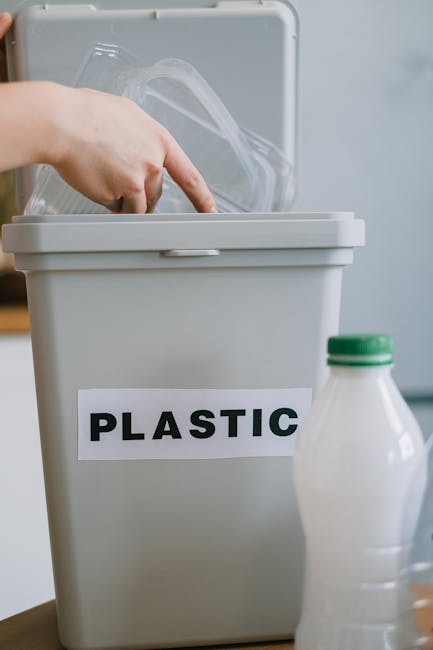
Waste disposal laws for South Harrow removals and reuse options

Moving home or clearing a property in South Harrow can feel straightforward at first, until the bags start piling up and you realise not everything can go in the same van. Waste disposal laws for South Harrow removals and reuse options matter because the moment you move furniture, appliances, boxes, or mixed household clutter, you are dealing with items that must be sorted, handled, transported, and discarded properly. Get it wrong and you risk extra costs, delays, and a mess you really did not need.
This guide explains the practical side of compliance, reuse, recycling, and sensible planning during a move. It is written for people who want to clear a flat, house, office, or storage unit without breaking waste rules or throwing away things that could still be used. And yes, there is usually a smarter way than just filling a skip and hoping for the best.
Table of contents:
- Why Waste disposal laws for South Harrow removals and reuse options Matters
- How Waste disposal laws for South Harrow removals and reuse options Works
- Key Benefits and Practical Advantages
- Who This Is For and When It Makes Sense
- Step-by-Step Guidance
- Expert Tips for Better Results
- Common Mistakes to Avoid
- Tools, Resources and Recommendations
- Law, Compliance, Standards, or Best Practice
- Options, Methods, or Comparison Table
- Case Study or Real-World Example
- Practical Checklist
- Conclusion
- Frequently Asked Questions
Why Waste disposal laws for South Harrow removals and reuse options Matters
Waste law is not just a back-office issue for big companies. During a removal, it touches very ordinary decisions: can that old wardrobe be reused, is the broken lamp classed as waste, can paint tins go with general rubbish, and who is responsible once items leave the property? In a busy area like South Harrow, where households, landlords, and small businesses all move at different times of year, these questions come up more often than people expect.
The big reason it matters is responsibility. If waste from a move is fly-tipped, dumped carelessly, or handed to someone unlicensed, the original owner can end up with the headache. That is true even if the person collecting it seemed friendly enough and had a van. To be fair, many people only think about this after they have already filled the front room with unwanted items.
Reuse options matter just as much. A removals job often uncovers usable things: chairs that still have life in them, books, kitchenware, office furniture, mirrors, rugs, or small electrical items. Reusing those items can reduce disposal volume, lower costs, and keep useful goods out of the waste stream. That is better for the planet, obviously, but it is also better for your moving day.
If you are arranging a larger move, you may also want to look at recycling and sustainability alongside your removal plan, especially if you are trying to reduce what ends up as waste before the van even arrives.
How Waste disposal laws for South Harrow removals and reuse options Works
At a practical level, waste law during removals starts with classification. Some items are reusable goods, some are recyclable materials, and some are waste that needs proper disposal. That distinction sounds dry, but it changes what happens next. A sofa that can be donated or sold is treated very differently from one that is torn, soaked, or unsafe. The same goes for desks, fridges, mattresses, and mixed household rubbish.
In the UK, waste handling normally follows a simple chain: separate items, decide whether they can be reused, store anything that is waste safely, transport it with care, and pass it to the right disposal or recycling route. If a removal company is involved, it should know how to handle this process without dumping everything together and calling it a day. That may be quick, but it is not good practice.
In South Harrow removals, the practical side usually depends on four factors:
- Item type - furniture, mixed rubbish, electricals, hazardous materials, or bulky waste all behave differently.
- Condition - reusable, repairable, recyclable, or genuinely scrap.
- Collection method - whether items are being moved in a removal van, taken to a reuse route, or disposed of through an authorised waste route.
- Documentation and duty of care - who collected it, where it went, and whether it was handled responsibly.
When a property is being cleared, the easiest mistake is to assume every unwanted item is simply rubbish. It is not. An office chair with broken wheels may still be repairable. A wardrobe with good panels may be suitable for reuse. Even a box of mixed bits and pieces can often be separated into recyclable and non-recyclable groups if you take ten minutes before the van leaves. That ten minutes can save a lot of grief later.
Key Benefits and Practical Advantages
Doing waste disposal properly during removals is not only about staying on the right side of the rules. It also makes the move calmer and more efficient. You notice the difference when the crew can load faster, the property is cleared in fewer trips, and fewer things are left sitting in a hallway because nobody knew what to do with them.
- Lower disposal volume - more items can be reused or recycled instead of treated as general waste.
- Cleaner handover - this is particularly useful for tenants, landlords, and office managers.
- Reduced moving stress - you make decisions earlier, which means fewer last-minute surprises.
- Potential cost savings - less waste usually means less to move, tip, or process.
- Better environmental outcome - reused items stay in circulation and recycling rates usually improve.
There is also a quieter benefit: you get more control. Once you decide what stays, what moves, what is reused, and what must go, the whole removal becomes more manageable. That is especially true in homes where rooms are packed to the brim and every corner seems to contain a mystery cable or a half-finished DIY project.
For customers trying to compare service levels, it can help to look at the broader support available through removal services and the practical vehicle options in removal van support, especially if your move includes bulky items or mixed loads.
Who This Is For and When It Makes Sense
This topic is relevant to much more than a standard house move. If any part of your removal involves clearing items you do not want to keep, you are in the zone where disposal rules and reuse choices matter.
- Home movers who are decluttering before moving day or clearing after a sale.
- Tenants who need to leave a property tidy and avoid arguments over rubbish left behind.
- Landlords and letting agents handling end-of-tenancy clearances.
- Office managers replacing desks, chairs, filing systems, or IT furniture.
- Families downsizing who may have furniture that no longer fits the next property.
- Businesses moving stock or archived material that includes both reusable and waste items.
It also makes sense when the move is not really a move at all, but more of a clear-out. We see this a lot around life events: a bereavement, a breakup, a long-overdue loft tidy, or a business closure. The emotional load is already heavy. Having a proper waste plan means one less thing to juggle.
If your move is mostly residential, the pages for home moves and house removals can help frame the broader move, while furniture pick up is especially useful when you only need certain items removed for reuse or onward handling.
Step-by-Step Guidance
Here is a practical way to handle waste disposal laws and reuse choices during a South Harrow removal without making the process harder than it needs to be.
- Sort before the move starts. Walk through each room and separate keep, reuse, recycle, donate, and dispose piles. Do not wait until the van is outside.
- Check what is genuinely reusable. If an item is clean, safe, and functional, it may be better to pass it on rather than pay to throw it away.
- Keep hazardous or awkward items separate. Batteries, paint, chemicals, old cleaning products, and some electricals should not be mixed in with household junk.
- Label boxes clearly. A simple marker pen can save half the confusion later. One box for reuse. One for recycling. One for waste. Simple.
- Ask how the load will be handled. If you are using a removal company, ask what happens to unwanted items and whether they can be routed for reuse where possible.
- Document anything valuable or sensitive. If the load contains branded stock, records, or office equipment, note what is leaving the building.
- Use the right route for the item. Reuse first, recycling second, disposal last. That order is usually the most sensible and often the cheapest too.
A small but useful habit: take photos of high-value items before they leave. It is not paranoia. It is simply tidy record-keeping, and it can avoid the awkward "was that chair already damaged?" conversation later.
For larger or more complex clearances, a properly planned move with man and van support or a more tailored removals near me search can make the logistics easier, especially if multiple stops or donation drop-offs are involved.
Expert Tips for Better Results
Here are the practical things that tend to make the biggest difference. Nothing flashy. Just the kind of detail that saves time, backache, and unnecessary disposal costs.
- Start with the biggest items first. Furniture determines truck space, access, and loading order. Once that is planned, everything else is easier.
- Use reuse as your default. If an item can be passed on safely, do that before thinking about waste.
- Do not mix clean recyclables with general rubbish. Once materials are mixed, they are harder to separate and may lose their recycling route.
- Keep a "maybe" pile. You will be surprised how often people change their mind about a shelf, lamp, or side table at the last minute.
- Ask about load capacity. Overstuffing a van can create damage, unsafe handling, and needless second trips.
- Protect floors and doorways during clear-outs. Disposal work often creates more knocks and scuffs than a normal move. Bit of care goes a long way.
In our experience, the best moves are the boring ones. Not glamorous, but smooth. Someone has sorted the cupboard under the stairs, the kettle is packed separately, and the old chair has already found a new home. That calm, almost unexciting setup is exactly what you want on moving day.
If you are comparing moving support, take a look at removal company options and the wider removal companies page so you can judge how well a provider handles the practical side of sorting, loading, and transport.
Common Mistakes to Avoid
Most problems come from rushing. Nobody is thrilled to sort waste at the end of a long day, so people cut corners. That is understandable, but some shortcuts are risky.
- Leaving it all until the last minute. The result is usually a messy load and poor decisions.
- Assuming all waste collectors are the same. They are not. Some handle items responsibly; some do not. Ask questions.
- Dumping everything together. Reuse opportunities disappear fast when furniture, plastics, and rubbish are all mixed up.
- Forgetting hazardous items. This is the one that catches people out. Old cleaners and batteries do not belong in a random bag.
- Not checking access. A narrow stairwell or permit-sensitive street can change how much can be taken in one visit.
- Ignoring paperwork. For businesses, this can matter more than people realise. Keep a basic record of what left and where it went.
One common trap is emotionally charged clear-outs. Someone says, "Just take everything," and that sounds efficient. It usually is not. Better to pause for five minutes and decide what can be reused. Five minutes. Honestly, that's often the difference between a sensible clearance and a regretful one.
Tools, Resources and Recommendations
You do not need specialist equipment to manage most domestic waste properly, but a few simple tools make the process smoother.
- Permanent marker pens for labelling reuse, recycle, and waste boxes.
- Strong sacks and boxes for small items, textiles, and mixed household bits.
- Protective gloves for lofts, garages, sheds, and dusty storage areas.
- Furniture blankets or wraps if items are being moved for reuse rather than disposal.
- A simple inventory note on your phone to track items leaving the property.
For service planning, the most useful site pages are often the unglamorous ones. Pricing, insurance, and safety information can tell you a lot about how a company works in practice. If you want to compare service detail before booking, check pricing and quotes, insurance and safety, and the company background on about us.
There are also practical support pages for legal and policy details. They may not be exciting reading over a cup of tea at 8am, but they are useful if you want to know how a provider handles responsibility, complaints, or data handling. The pages for terms and conditions and privacy policy are worth checking before you book anything substantial.
Law, Compliance, Standards, or Best Practice
For removals and waste handling, the key compliance idea is simple: waste must be managed responsibly, transferred to appropriate parties, and kept separate from anything that can be reused. In the UK, the legal framework around waste creates duties for anyone handling it, and those duties become more relevant when goods are collected from homes, offices, or mixed-use premises.
In plain English, that means:
- you should know what is being removed;
- you should avoid handing waste to anyone who cannot manage it properly;
- you should separate reusable goods where possible;
- you should treat potentially hazardous items with extra care;
- you should keep a basic record for business or large-scale clearances.
Best practice goes a little further. Reuse comes first if the item is safe and suitable. Recycling comes next for materials that can still be recovered. Disposal should be the final option, not the starting point. This approach is not just tidy; it is usually the most defensible if questions arise later about how the clearance was handled.
For offices, the compliance picture often becomes more important because there may be furniture, IT equipment, confidential papers, and branded items in the same collection. That is where a service such as office removals or broader commercial moves support can be useful, particularly if the move needs to be planned carefully and not just lifted into a van at speed.
It is also wise to pay attention to a provider's safety approach. A clear health and safety policy is a good sign that the company thinks beyond the load itself and into the way it is handled. That matters when there are stairs, fragile items, awkward corners, or heavy furniture involved.
Options, Methods, or Comparison Table
Different waste and reuse routes suit different situations. The table below gives a practical comparison to help you choose the right one.
| Option | Best for | Pros | Watch-outs |
|---|---|---|---|
| Reuse or donation | Good-condition furniture, usable household items, office furniture | Lower waste, better value, less environmental impact | Items must be clean, safe, and suitable for onward use |
| Recycling | Cardboard, some metals, certain plastics, select electricals | Reduces landfill, supports material recovery | Mixed loads can contaminate recyclables |
| Authorised disposal | Broken, unsafe, contaminated, or non-recoverable waste | Fast and final when an item truly has no better route | Should be the last resort, not the default |
| Professional removal support | Large loads, awkward access, mixed household and office clearances | Less strain, fewer trips, easier planning | Choose a provider that treats waste responsibly |
If you are unsure which route applies, a quick rule of thumb helps: if the item can safely be used again, do not treat it as waste yet. If it can be recycled cleanly, keep it separate. If neither applies, dispose of it properly and document what happened. Not glamorous, but effective.
Case Study or Real-World Example
A typical South Harrow flat clearance might look like this. A couple is moving out of a first-floor property after several years. They have a bed frame, two bookcases, a dining table, a few bags of old clothes, some broken kitchenware, and a box of electrical bits. Nothing dramatic. Just the usual accumulation of life.
Instead of putting everything in one pile, they sort it over two evenings. The bed frame and one bookcase are still usable, so those are set aside for reuse. The clothes go into a separate bag for onward use. Broken crockery and damaged containers are marked for disposal. The electrical bits are checked one by one; some can be recycled, others cannot. By the time the van arrives, the job is cleaner, quicker, and cheaper to handle than a last-minute all-in clearance.
That kind of simple planning is where good removals work starts. Nothing heroic. Just sensible decisions made early.
For a move like this, people often combine packing help with a flexible vehicle. Pages such as packing and unpacking services, man with van, and movers can help you shape the job around the amount of sorting you actually need.
Practical Checklist
Use this checklist before removal day. It is simple, but it works.
- Separate keep, reuse, recycle, and dispose items room by room.
- Check furniture and household items for reuse potential.
- Remove batteries, liquids, and other awkward items from mixed bags.
- Label boxes clearly so nobody has to guess later.
- Photograph high-value or important items before they leave.
- Ask the removals provider how unwanted goods will be handled.
- Keep reusable items together so they are not accidentally tipped as waste.
- Make sure access routes are clear and safe.
- Keep records if the clearance is for a business or landlord handover.
- Double-check that anything confidential, fragile, or hazardous is treated separately.
One little trick that helps: put a coloured sticker on reuse items. Red for dispose, green for reuse, blue for recycle. Childishly simple, maybe. But it saves arguments when people are tired and the kettle has already been packed. Funny how often a sticker beats a long explanation.
Get a free quote today and see how much you can save.
Conclusion
Waste disposal laws for South Harrow removals and reuse options are really about making sensible, defensible choices during a move. Sort early, reuse wherever possible, recycle cleanly, and dispose of the rest through the right route. That approach protects you from avoidable hassle and usually makes the removal smoother as well.
Whether you are clearing a family home, an office, or a single cluttered room, the main win is the same: fewer surprises, less waste, and a move that feels organised rather than chaotic. And that is worth a lot when the boxes are stacked by the door and the day is already moving fast.
Take the time to do it properly, and the whole job feels lighter. Sometimes that is the best result of all.
Frequently Asked Questions
What counts as waste during a removal?
Anything you no longer want, cannot reuse safely, and cannot reasonably pass on becomes waste. That can include broken furniture, damaged household items, mixed rubbish, and some old electricals. The key is not to assume every unwanted item belongs in the same pile.
Can I put everything into one van load and sort it later?
You can, but it is usually a poor idea. Once reusable items are mixed with waste, you make sorting harder and often more expensive. It is far better to separate items before collection, even if the sorting takes a bit longer.
Are reusable items always better than recycling?
In most cases, yes, if the item is safe and still useful. Reuse keeps an item in circulation for longer and avoids the need to process it as waste. Recycling comes next when reuse is not realistic.
What should I do with old furniture that is still in good condition?
Check whether it can be reused, donated, or collected as part of a furniture pick-up arrangement. If it is clean and functional, it is usually worth trying a reuse route before disposal.
Do I need to separate electrical items from other rubbish?
Yes, that is generally sensible. Electrical items are often treated differently from ordinary household waste, especially if they contain batteries, wiring, or other components that need proper handling.
What happens if I leave waste outside after moving out?
That can create problems with the property handover and may lead to extra charges or complaints. It is much safer to leave the place clear, with waste removed through an agreed route.
Is it worth paying for a removal service that handles waste properly?
Usually, yes. A provider that understands sorting, reuse, and safe handling can save you time and reduce the risk of careless disposal. It is not just about lifting things; it is about what happens after the lift.
How do I know if a provider is handling waste responsibly?
Ask what they do with reusable items, whether they separate recyclable materials, and how they manage mixed waste. Clear answers are a good sign. Vague answers are not.
What should businesses do differently from households?
Businesses should be more careful about records, confidential materials, and mixed loads. Office furniture, papers, and equipment often need different handling, so a more structured clearance plan helps a lot.
Can I reuse items if I am short on time before moving day?
Yes, but keep it realistic. Focus on the obvious wins first: usable furniture, sealed household goods, and items in clean condition. Even a quick sort can divert a surprising amount away from waste.
What is the simplest way to avoid disposal mistakes?
Sort early, label clearly, and keep hazardous or questionable items separate. That one habit avoids most of the common problems people run into during removals. Simple, but effective.
Where should I start if I want help with a South Harrow clearance?
Start by identifying what must move, what can be reused, and what genuinely needs disposal. Then compare removal support, pricing, and safety information so you can choose a service that fits the job instead of forcing the job to fit the service.