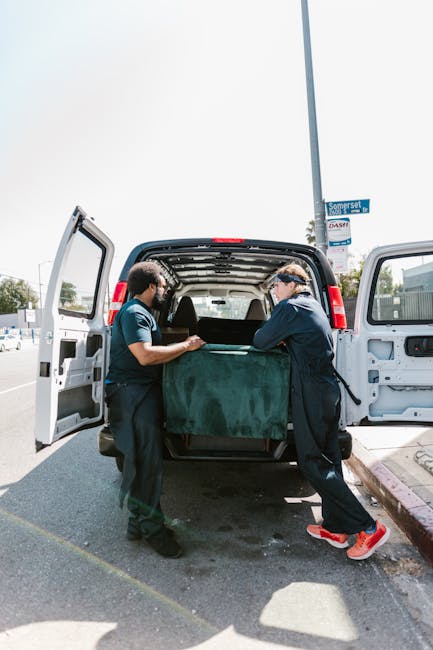
Removals near Northolt Road HA2 specialist local moving tips
Posted on 09/05/2026
If you are planning a move around Northolt Road in HA2, you probably already know the awkward bits: tight time windows, parking that disappears just when you need it, stairwells that feel narrower with every box, and the small panic of realising the kettle is in the wrong van. That is exactly why removals near Northolt Road HA2 specialist local moving tips matter. A local move sounds simple on paper. In real life, a few smart decisions can save you hours, stress and a fair bit of money.
This guide is written for people moving home, flat, office or just a few bulky items in and around the Northolt Road area. You will find practical local advice, a step-by-step moving process, common mistakes to avoid, and a clear checklist you can use before moving day. Along the way, we will also link to useful service pages and local guides that help you plan with a bit more confidence. Truth be told, good removals are usually about preparation, not luck.

Why Removals near Northolt Road HA2 specialist local moving tips Matters
Northolt Road sits in a busy part of the local moving map. Even a short-distance move can become awkward if you do not account for road activity, loading space, building access, or the timing of school runs and commuter traffic. A specialist local approach is not about overcomplicating things. It is about knowing which details are likely to trip you up before they do.
Local moves also tend to have a different pace from long-distance relocations. You may be moving between nearby streets, flats, maisonettes or family houses with only a few hours between key tasks. That can tempt people to underestimate the job. Lets face it, "it is only down the road" is how many moving problems start.
Specialist local moving tips help with:
- planning realistic arrival and loading times
- choosing the right vehicle size for local access
- managing stair access, lifts and narrow hallways
- protecting furniture in busy residential streets
- avoiding last-minute parking and access issues
- keeping fragile or valuable items safe during short but frequent handling
For people researching broader moving support, the service pages for local removals in South Harrow and moving services in South Harrow are useful starting points because they show how a local team can adapt to different property types and moving sizes.
How Removals near Northolt Road HA2 specialist local moving tips Works
A good local move usually follows a simple chain: assess, prepare, pack, load, transport, unload, and settle. The trick is not the order itself. The trick is the planning between each stage.
1. Assess the property and access first
Before any box is sealed, work out how items will leave the building. Is there a lift? If yes, does it fit larger furniture? Are there shared corridors? Is the front path clear enough for trolley use? Will the van need to park around a bend, outside a restricted section, or farther away than you expected?
2. Match the service to the job
Not every move needs the same setup. A single-student room move is very different from a three-bedroom house relocation or an office clear-out. If you need a van and a careful pair of hands, the flexibility of a man and van service can be a sensible fit. If you are moving a full household, a more structured approach through house removals in South Harrow may be better.
3. Pack with the route in mind
The move should be packed in a way that mirrors the journey. Heavy items on the bottom, daily essentials separately, and fragile pieces with enough padding to survive repeated lifting. A box can survive a car boot. It may not survive three stair turns and a rushed handover unless it is prepared properly.
4. Load in the right sequence
Loading is part logistics, part common sense. Large, sturdy items go in first, lighter and more delicate items are protected above or around them, and anything needed at destination access points is kept easy to reach. That sounds obvious, but on a wet Tuesday morning, obvious can vanish quite quickly.
5. Check arrival conditions at the destination
Make sure the destination has been measured, cleared and unlocked. Confirm where the van can stop, which entrance should be used, and whether there are any building rules about lifts or shared entrances. If you are moving into a flat, you may also find flat removals support in South Harrow especially relevant because apartment access changes the whole rhythm of moving day.
Key Benefits and Practical Advantages
Specialist local moving tips are not just about comfort. They have real practical value.
| Benefit | Why it matters near Northolt Road HA2 | What it looks like in practice |
|---|---|---|
| Better timing | Busy local roads and loading delays can throw off the whole day | You plan departure windows around traffic, access and key handover times |
| Safer handling | Short moves often involve more lifting than people expect | Furniture is wrapped, carried properly and protected at corners |
| Lower risk of damage | Repeated loading and unloading creates extra wear | Boxes are labelled, stacked well and secured during transport |
| Less stress | Clear steps reduce last-minute confusion | You know what is packed, what is staying accessible, and what happens next |
| Smarter costs | Good planning avoids wasted trips and avoidable delays | You choose the right vehicle and avoid extra labour where possible |
Another practical advantage is that local moves often benefit from a more responsive service model. If you suddenly need additional help, or the move needs to happen quickly, a local provider may be better placed to respond. In some cases, a same-day removals option is the difference between a messy scramble and a workable solution. Not always. But sometimes, yes.
You can also compare what matters most using a local removals quote page such as pricing and quotes, which is useful when you are balancing budget, timing and service level.
Who This Is For and When It Makes Sense
This topic is relevant to more people than you might think. Local moving needs show up in all sorts of everyday situations.
- Home movers relocating within HA2 or nearby Harrow areas
- Tenants moving between flats, studios or shared homes
- Students shifting belongings at the start or end of term
- Families needing careful handling of large furniture, toys and appliances
- Office teams relocating equipment, files and desks
- Older residents who want help with lifting and planning
- People with urgent deadlines who need a fast and organised move
It also makes sense if you are dealing with awkward items such as a piano, a heavy wardrobe, or furniture that has to travel through a tight hallway. In those cases, specialist handling matters a lot. A dedicated piano removals service or furniture removals support may be the more sensible path than trying to improvise with a few friends and a borrowed van.
If your move is small and simple, a man with a van in South Harrow might be enough. If it is larger or more complex, a broader removal company in South Harrow may offer the structure you need.
Step-by-Step Guidance
Here is a practical way to organise the move without turning your week upside down.
Step 1: Survey what is actually moving
Walk through each room and write down what is coming with you. Be honest. That broken chair in the corner? If you are not taking it, do not let it sneak into the job list. The same applies to boxes in cupboards, loft items and garden bits you forgot about until now.
Step 2: Measure access points and tricky items
Measure doors, stair turns, lifts and the biggest furniture pieces. If the sofa fits the room but not the landing, you have a problem. This is one of those details people skip, then regret. Rather than hoping for the best, check in daylight if possible. By evening, it is easy to miss a tight corner or low handrail.
Step 3: Book the right moving support
Choose the support level that matches the job. A smaller load may only need a vehicle and driver. A bigger relocation may need packing help, dismantling, or storage. If you need somewhere to hold items briefly between addresses, look at storage in South Harrow. That can be very handy if completion dates do not line up neatly. Which they often don't, to be fair.
Step 4: Pack room by room
Packing by room makes unpacking much easier. Label boxes with the room name and a short contents note. For example: "Kitchen - mugs and kettle" or "Bedroom 1 - bedding and lamp." Small effort, big payoff.
Step 5: Prepare a first-night box
Keep essentials in one clearly marked box or bag. Think toiletries, phone charger, basic cutlery, a mug, medication, toilet roll, snacks, and any documents you need quickly. Nobody wants to be searching through six boxes for toothpaste at 11 p.m.
Step 6: Protect floors, furniture and entrances
Use blankets, covers or wrapping where appropriate. If the weather is wet, protect both old and new properties from mud and scuffs. A clean move always feels calmer. You notice the difference straight away.
Step 7: Confirm the handover plan
Tell everyone involved what time the move starts, who has keys, where the van will park, and who is handling what. One person should be in charge of decisions. Too many voices on moving day can turn a straightforward job into a tiny committee meeting.
Expert Tips for Better Results
These are the kinds of details that often separate a smooth move from a stressful one.
- Book a loading slot that leaves breathing room. If your building access is tight, do not schedule everything to the minute.
- Keep screws and fittings taped to the correct furniture item. Bag them, label them, and do not toss them loosely into a drawer.
- Use soft items as extra protection. Towels, blankets and bedding can help wrap non-delicate surfaces without wasting space.
- Take photos before dismantling anything. A quick phone picture can save a lot of guesswork later.
- Place "open first" boxes last on the van. That way they are not buried under heavier items.
- Leave a clear path through the property. It sounds minor, but clutter slows everyone down.
Here is a small local insight. In busy residential areas, a move often goes better when neighbours know what is happening. You do not need to announce your life story. Just a polite heads-up can make access easier and reduce awkward moments if a doorway or shared path is briefly blocked.
If your move is tied to a deadline, such as tenancy changeover or a business handover, keep a backup plan. A moving team offering a dedicated removal van may help you keep control if the load changes late in the process.

Common Mistakes to Avoid
Most moving problems are avoidable. That is the frustrating part. But also the useful part, because once you know the traps, you can step around them.
- Underestimating volume. People often forget loft, shed, hallway and under-bed items.
- Poor parking planning. If the van cannot stop sensibly, the whole move slows down.
- Mixing essentials with general boxes. This is how key documents disappear into the kitchen pile.
- Not checking building rules. Some flats and managed properties have access expectations that are easy to miss.
- Overloading boxes. Heavy boxes break, or worse, injure someone carrying them.
- Leaving packing until the final night. That usually means rushed labelling and poor organisation.
- Assuming all movers handle every item the same way. Special items need special care. Plain and simple.
There is also a small but important trust issue. If you are comparing providers, do not look only at the headline price. Check service scope, protection approach, and whether they explain the process clearly. Transparent providers tend to make the day easier. You can learn more about how a business presents itself through the about us page, and it is also sensible to review insurance and safety information before you commit.
Tools, Resources and Recommendations
You do not need a van full of gadgets to move well, but a few practical tools make a huge difference.
Useful packing and moving items
- strong cardboard boxes in mixed sizes
- bubble wrap or paper for fragile items
- packing tape and a dispenser
- labels or a marker pen
- furniture blankets
- stretch wrap for drawers and upholstered items
- trolley or sack truck where appropriate
- dust sheets or floor protectors
Helpful planning resources on the site
If you are still choosing the right type of help, the services overview gives a useful broad picture. For more practical moving supply advice, the packing and boxes page is a good companion read, especially if you are trying to work out how many materials you need and when to start.
If you are planning a move that involves sustainability or a clear-out, the recycling and sustainability page is worth a look. Moving is often the moment people finally let go of things they have been carrying around for years. Bit liberating, really.
For specialist or occasional needs, these pages may also help:
- student removals support for term-time moves and smaller budgets
- office removals for desks, files and equipment
- general removals for broader household moves
Law, Compliance, Standards, or Best Practice
For local removals, the main compliance considerations are usually practical rather than dramatic. You want a service that behaves responsibly with handling, safety, and customer data if any paperwork or inventory is involved.
Good practice usually includes:
- clear written quotes or estimates where possible
- transparent terms and conditions
- careful handling of goods and property
- safe lifting and loading methods
- appropriate insurance arrangements
- respect for access arrangements and neighbouring properties
It is also sensible to check that you understand any cancellation terms, waiting charges, or scope limits before booking. If anything is unclear, ask. A proper provider should be able to explain it in normal language, not in a fog of jargon.
If you like to read the fine print before moving forward, the site pages for terms and conditions, privacy policy, health and safety policy, and payment and security offer helpful reassurance. Those pages are not exciting, obviously, but they matter more than people think.
Options, Methods, or Comparison Table
Different local moves call for different approaches. Here is a simple comparison to help you decide.
| Method | Best for | Strengths | Watch-outs |
|---|---|---|---|
| Man and van | Small to medium moves, flexible local jobs | Quick, adaptable, often cost-effective | May not suit large loads or multi-room moves |
| Full removals service | Households with more furniture or complex access | More organised, better for larger jobs | Usually needs more planning and coordination |
| Same-day removals | Urgent relocations or unexpected schedule changes | Fast response, useful under pressure | Less time for preparation if you are not ready |
| Storage plus transport | Delayed completions or temporary overflow | Creates breathing room between addresses | Needs careful inventory and timing |
If you are moving from a flat near a station or busy road, extra access planning is often the deciding factor. A guide such as this South Harrow station removals guide for flats and stairs is useful because the same logic applies: stairs, shared entrances and limited loading space change the whole job.
Case Study or Real-World Example
Here is a realistic example from a typical local move, without dressing it up too much.
A couple moving from a first-floor flat off Northolt Road to a nearby house had a fairly simple distance between addresses, but the access was awkward at both ends. They had a sofa, bed frame, dining table, two wardrobes and roughly thirty mixed boxes. At first glance, they thought a quick van hire would do it. Then they measured the stairs and realised the wardrobe would need careful dismantling and the sofa would need protection for a tight landing turn.
They split the job into three parts: packing essentials separately, removing furniture fittings in labelled bags, and booking moving help with enough time to avoid rushing. They also checked where the van could stop and cleared the hallway at both properties the day before. Nothing flashy. Just good planning.
The result was not magical, just calm. The move finished without broken items, nobody had to hunt for a kettle at the new place, and the day stayed on schedule. That is usually the goal, really. Not perfection. Just a move that does not become a memory you cringe about later.
Practical Checklist
Use this checklist in the final few days before your move.
- Confirm moving date, time and access arrangements
- Measure large furniture against doors, stairs and lifts
- Book the right type of local moving support
- Gather boxes, tape, labels and protective materials
- Pack room by room and label clearly
- Create a first-night essentials box
- Disassemble furniture that needs it, keeping fittings together
- Protect fragile items and mark them clearly
- Check parking or loading access at both addresses
- Review quote details, payment terms and insurance cover
- Set aside important documents and valuables
- Plan a backup option for delays or handover changes
Expert summary: The best removals near Northolt Road HA2 are usually the ones that look boring on paper because the planning is so good. Measure early, label clearly, choose the right support, and keep a calm loading sequence. Small steps, big difference.
Conclusion
Local moving near Northolt Road HA2 does not have to feel chaotic. Once you understand the access issues, timing pressures and packing habits that make a move smoother, the whole process becomes much more manageable. That is the real value of specialist local moving tips: they turn a messy day into a controlled one.
Whether you are moving a flat, family home, office or a few awkward pieces of furniture, the smartest approach is to prepare early and choose support that matches the actual job. If you need a small, flexible solution, a man and van arrangement may be ideal. If the move is larger or more complex, dedicated removal services can save you time, lifting strain and last-minute stress.
Get a free quote today and see how much you can save.
And if you are still in the planning stage, take your time. A careful move is rarely the loudest one, but it is usually the one that feels best when the last box is carried through the door.